
Cash home buyers in Maryland help homeowners sell a property directly without making repairs, cleaning, staging, open houses, or waiting for a traditional mortgage-backed buyer. This option can be useful if you need to sell a house fast in Maryland because of foreclosure pressure, inherited property, tax liens, major repairs, divorce, relocation, vacant property, or financial stress. A cash sale can often move faster than a traditional listing, but the exact closing timeline depends on title clearance, payoff amounts, liens, probate authority, and seller readiness. A safe transaction should include a written purchase agreement, verified proof of funds, and settlement through an independent Maryland title company.
Maryland sellers should also understand disclosure and disclaimer responsibilities before signing a contract. The Maryland Real Estate Commission lists the Maryland Residential Property Disclosure/Disclaimer Statement as an official resource for residential real estate transactions.
Key Takeaways:
Selling a house as-is in Maryland usually means the homeowner does not need to repair, renovate, clean, or stage the property before closing.
A direct cash offer may help sellers avoid buyer financing delays, appraisal issues, repair negotiations, and repeated showings.
Cash home buyers in Maryland may purchase homes with fire damage, water damage, foundation issues, code violations, old belongings, back taxes, liens, or probate complications.
A cash sale is not always the highest-price option. A traditional listing may produce a stronger gross sale price if the property is updated, market-ready, and the seller has time.
Homeowners facing foreclosure should act early. Maryland’s Office of Financial Regulation advises homeowners facing foreclosure to take immediate action and review available foreclosure resources. Before accepting any cash offer for a house in Maryland, sellers should verify proof of funds, review all fees, confirm the title company, and understand their estimated net proceeds.
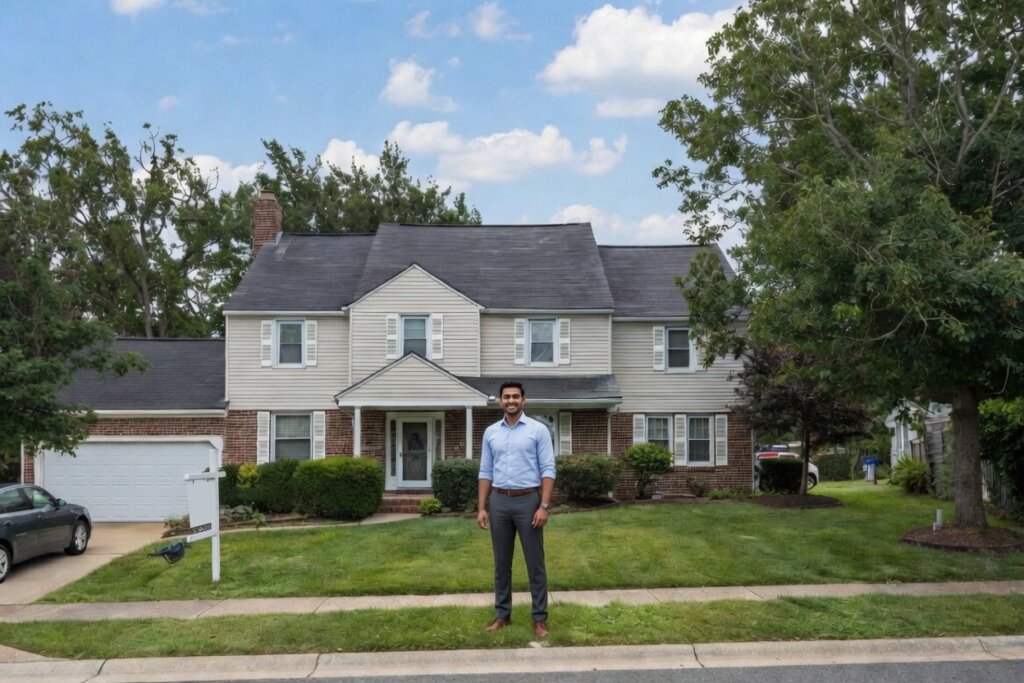
Understanding the Direct Property Sale Process in Maryland
Selling a home is simple only when the property is clean, updated, mortgage-ready, and easy to show. Many Maryland homeowners are not in that position. Some are dealing with inherited houses, foreclosure notices, code violations, unpaid taxes, damaged interiors, long-distance ownership, or homes that need expensive repairs.
That is where a direct home sale in Maryland can make sense. Instead of listing the property on the open market and waiting for a retail buyer, the seller works directly with a local cash buyer or private real estate investor.
The buyer reviews the property, makes a written cash offer, and, if both
sides agree, the sale moves through a title company.
This model is designed for convenience, certainty, and Speed. It is especially helpful when the home is difficult to sell through a traditional listing or when the seller wants to avoid repairs, open houses, and long negotiations.
A direct cash sale may be a good fit when
- The house needs major repairs
- The seller cannot afford renovations
- The owner wants to sell the house as-is in Maryland
- The property is inherited or vacant
- The house has liens, back taxes, or title issues
- The seller is facing foreclosure pressure
- The home has tenants or abandoned belongings
- The seller lives out of state
- The property may not qualify for traditional financing
- The owner wants privacy and a flexible closing date
What Does It Mean to Sell a House As-Is in Maryland?
Selling a house as-is in Maryland means the property is offered in its current condition. The seller is not agreeing to complete repairs, cosmetic upgrades, deep cleaning, junk removal, or renovation work before the sale.
However, as-is does not mean the seller can ignore disclosure responsibilities. Maryland provides a residential property disclosure/disclaimer form through the Maryland Real Estate Commission. Sellers should review this carefully and speak with a qualified real estate professional or attorney if they are unsure about what must be disclosed.
In a direct cash sale, the buyer usually accepts the property with its existing defects. This may include outdated kitchens, roof leaks, old plumbing, foundation problems, fire damage, water damage, mold concerns, or unfinished repairs.
For sellers, the main benefit is simple: you do not have to spend money first to make the property attractive to retail buyers. Instead, the cash buyer evaluates the home based on its current condition and the cost of future repairs.
How Does a Direct Cash Home Sale Work in Maryland?
A direct cash home sale in Maryland is a faster way to sell a house as-is without listing it on the open market, making repairs, or waiting for traditional buyer financing. In most cases, the process moves from property review to written offer, title verification, settlement, and final payment through a licensed Maryland title company.
The 6-Step Direct Cash Home Buying Process in Maryland
Step 1: Initial Consultation & Property Submission
The homeowner contacts a local cash home buyer and shares basic property details, including the address, current condition, repair issues, mortgage status, and any legal concerns such as probate, tax liens, foreclosure timelines, or unpaid property taxes.
Step 2: Property Review & Valuation
The buyer reviews the home’s condition, location, nearby comparable sales, public county records, and estimated repair costs. This review may be completed through photos, a virtual assessment, or an in-person walkthrough.
Step 3: Written Cash Offer
The homeowner receives a clear, no-obligation written cash offer. A trustworthy buyer should explain how the offer was calculated, including the property’s estimated after-repair value, expected repair costs, and whether any commissions or service fees apply.
Step 4: Contract Review
If the seller accepts the offer, both parties review and sign the purchase agreement. Important terms to check include the final purchase price, closing date, inspection terms, cancellation rights, and which closing costs the buyer or seller is responsible for.
Step 5: Title Search & Escrow Coordination
The signed contract is sent to a licensed Maryland title company. The title company verifies ownership, checks public records, identifies mortgages, liens, unpaid property taxes, municipal charges, or judgments, and prepares the file for settlement.
Step 6: Settlement & Fund Distribution
Once title issues are reviewed and closing documents are ready, the seller signs the final paperwork. The title or escrow agent records the deed transfer, pays off approved obligations from the settlement statement, and distributes the seller’s net proceeds by wire transfer or certified check.
A reputable Maryland cash home buyer should provide proof of funds, explain the offer clearly, avoid pressure tactics, and give the homeowner enough time to review the agreement with a title company, attorney, or trusted advisor before closing.
Cash Home Buyer vs. Traditional Maryland Realtor
A traditional Maryland realtor helps place the property on the MLS, market it to buyers, coordinate showings, negotiate offers, and guide the sale through a standard retail process. This can work very well for updated, well-maintained homes.
A cash home buyer is different. The buyer purchases the property directly, usually without requiring repairs, public showings, or mortgage approval.
Both options have value. The right choice depends on the seller’s goals.
Feature
Cash Home Buyer
Traditional Realtor Sale
Property repairs
Usually not required
Often recommended or requested
Cleaning and staging
Usually not required
Often needed for best presentation
Public showings
Usually avoided
Common
Buyer financing
Not usually mortgage-dependent if funds are verified
Often depends on lender approval
Appraisal risk
Lower
Can affect financing
Closing speed
Can be faster if title is clear
Often longer
Commission
Usually no listing commission
Commission may apply
Best for
Speed, privacy, repairs, urgent situations
Market-ready homes seeking maximum exposure
If your house is updated, clean, and located in a highly competitive market, a traditional listing may produce a higher gross price. But if you need to sell a house fast in Maryland, avoid repairs, or resolve a difficult property situation, a direct cash sale may be more practical.
What Is the Difference Between a Realtor Sale and a Private Cash Buyer?
The biggest difference is the buyer relationship.
In a real estate sale, the agent markets your property to find a third-party buyer. That buyer may need a mortgage, appraisal, inspection, and underwriting approvals. Each step can create delays or new negotiations.
With a private cash buyer in Maryland, the buyer is usually the person or company purchasing the property. This reduces moving parts. The transaction is more direct, and the seller often has a clearer understanding of the timeline.
A realtor’s sale focuses on market exposure. A cash sale focuses on convenience and certainty.
That does not mean one is always better than the other. It means they solve different problems.
Choose a traditional realtor sale if you have time, the property is presentable, and you want maximum buyer competition.
Choose a local cash buyer if the home needs repairs, you want privacy, or you need a predictable sale without preparing the house for the open market.
Why Do Traditional Maryland Real Estate Deals Sometimes Fall Through?
Traditional real estate deals can fall through because many buyers rely on mortgage financing. A lender may deny the loan, the appraisal may come in low, the inspection may reveal costly problems, or the buyer may ask for repair credits that reduce the seller’s final proceeds.
This is especially difficult when the seller is already under pressure. A homeowner facing foreclosure, probate deadlines, divorce, relocation, or mounting repair costs may not have time to restart the process with another buyer.
A verified cash buyer can reduce some of these risks because the sale is not usually dependent on standard mortgage approval. Still, sellers should protect themselves by asking for proof of funds and using a reputable title company.
Selling a Maryland House During Foreclosure or Financial Pressure
Foreclosure is one of the most urgent reasons homeowners look for cash home buyers in Maryland. When a property is at risk, time matters. Waiting too long can reduce available options.
Maryland’s foreclosure process involves legal notices, mediation rights in some cases, sale timelines, and court procedures. The Maryland Office of Financial Regulation provides foreclosure help information and directs homeowners to resources about Maryland’s mortgage foreclosure process.
A cash sale may help if it can be completed before the foreclosure sale and if the proceeds are enough to satisfy the mortgage payoff and related debts. But foreclosure situations are highly time-sensitive, so sellers should confirm exact deadlines with their lender, attorney, housing counselor, or title company.
Can I Sell My Maryland House for Cash After Receiving a Foreclosure Notice?
Yes, it may be possible to sell a Maryland house for cash after receiving a foreclosure notice, but the sale must happen before the legal process reaches a point where the home is sold, and the court process advances.
A cash sale may allow the homeowner to pay off the mortgage, resolve certain liens, preserve remaining equity, and avoid a completed foreclosure. However, this depends on the mortgage balance, total payoff, title status, liens, sale date, and lender requirements.
The Maryland People’s Law Library explains that foreclosure timelines involve specific steps, including mediation-related deadlines in some situations.
For this reason, homeowners should not wait until the final days before an auction. Title searches, payoff statements, lien resolution, and closing documents take time.
Can a Fast Cash Sale Help During Pre-Foreclosure?
Yes, a fast cash sale can sometimes help during pre-foreclosure if there is enough time to complete the sale properly.
Pre-foreclosure is often the best time to act because the homeowner may still have more control. At this stage, the seller can request a payoff amount, review selling options, speak with a title company, and compare whether a cash offer provides enough net proceeds to solve the debt problem.
A serious cash buyer should move quickly, but Speed alone is not enough. The seller should still confirm:
The buyer has available funds
The offer is in writing
The title company is legitimate
All liens and payoff amounts are identified
The closing date is realistic
There are no hidden fees or unclear deductions
The buyer is not using pressure tactics
A fast sale should still be a safe sale.
Cash Offer Pricing, Fees, and Closing Costs
A cash offer for a house in Maryland is usually based on the property’s current condition, repair needs, local comparable sales, after-repair value, holding costs, and resale risk.
This means a cash offer is often lower than the home’s future retail value after full repair. That does not automatically make it unfair. The buyer is taking on renovation costs, market risk, cleanup, taxes, insurance, and time.
The seller’s job is to compare the net outcome.
A traditional sale may yield a higher price, but it may also entail repairs, commission, concessions, cleaning, staging, months of holding costs, and buyer-financing risk.
A direct cash sale may bring a lower gross price, but it may save time, reduce stress, and eliminate upfront repair expenses.
Are There Hidden Fees in a Direct Cash Sale?
A reputable cash buyer should clearly explain whether the seller pays any fees or closing costs. Many Maryland cash home buyers advertise no commissions and no hidden fees, but sellers should never rely only on marketing language.
Ask for the details in writing.
Before signing, ask:
Will I pay any closing costs?
Are there administrative fees?
Will the buyer ask for repairs later?
Can the offer be reduced after inspection?
Who pays transfer taxes and recording costs?
Will I receive a settlement statement before closing?
Which title company will manage the transaction?
The offer price matters, but the net proceeds matter more. A trustworthy buyer should help the seller understand exactly what they will receive at closing.
How Do Maryland Cash Buyers Calculate a Fair Offer?
Maryland cash buyers usually calculate offers by reviewing the home’s current condition and estimating its value after repairs.
Common pricing factors include:
Common pricing factors include:
Valuation Factor
What It Means
After-Repair Value
Estimated resale value after the property is renovated
Repair Costs
Labor, materials, permits, cleanup, and contractor expenses
Holding Costs
Taxes, insurance, utilities, maintenance, and financing costs
Local Market Demand
Buyer demand in the city, county, or neighborhood
Title Issues
Liens, back taxes, judgments, or ownership complications
Resale Risk
Time and uncertainty involved in renovating and reselling
Am I Required to Accept an Offer After a Property Review?
No. A homeowner should not be required to accept an offer after a property review.
A no-obligation cash offer means the seller can review the terms, compare other options, speak with family members, consult professionals, or walk away.
High-pressure sales tactics are a warning sign. Be cautious if a buyer demands an immediate signature, refuses to explain fees, avoids proof of funds, or discourages you from speaking with a title company or advisor.
A legitimate buyer should be comfortable with transparency.
Selling Damaged, Inherited, or Distressed Property in Maryland
Many homeowners contact cash buyers because their house is not ready for the traditional market. The property may be damaged, vacant, inherited, filled with belongings, or tied up with financial issues.
This is where the phrase “we buy houses in Maryland” often appears. But not every buyer offering fast cash is equally reliable. Homeowners should look for experience, local knowledge, clear contracts, proof of funds, and involvement from a title company.
Distressed property situations often require more than a simple offer. They require problem-solving.
Will a Cash Buyer Purchase a House Full of Debris?
Yes, many cash buyers purchase houses with unwanted furniture, debris, old appliances, trash, or abandoned belongings still inside.
This is helpful for inherited homes, hoarder houses, rental properties, vacant homes, or situations where the owner cannot physically or
financially clean out the property.
In many direct sales, the seller removes personal items and leaves unwanted items behind. The buyer handles cleanup after closing.
This can save the seller money on dumpsters, hauling crews, storage, cleaning services, and weeks of labor.
Can I Sell a Maryland House With Structural Damage?
Yes, many local cash buyers purchase Maryland houses with structural damage or major repair problems.
Common issues may include:
Foundation cracks
Sagging roof lines
Water damage
Fire damage
Mold concerns
Old electrical systems
Broken plumbing
Failed HVAC systems
Code violations
Pest damage
Severe cosmetic neglect
Vacant property deterioration
Traditional buyers may struggle to purchase homes with major repair issues because lenders often prioritize safety, habitability, and collateral value. A private real estate investor using cash may be more flexible.
This is why selling a damaged house in Maryland to a cash buyer can be useful when the seller cannot afford repairs before listing.
How Can I Sell an Inherited House During Probate?
Selling an inherited house in Maryland depends on whether the person signing the contract has legal authority to sell.
Maryland estate administration is handled through probate procedures when probate property is involved. The Maryland Register of Wills provides official guidance on estate administration and probate forms.
The Maryland People’s Law Library explains that estate administration includes appointing a personal representative, filing required documents, and adhering to estate timelines.
If the property is part of an estate, the personal representative may need proper authority before the house can be sold. Heirs should confirm this with the Register of Wills, a probate attorney, or the title company.
A cash sale can be helpful for inherited properties when:
The heirs live out of state
The house is vacant
The home needs repairs
The estate has limited cash
The property has old belongings inside
The heirs want faster distribution
There are taxes, liens, or maintenance costs
The family does not want to manage renovations
Can I Sell a House With Tax Liens or Back Taxes?
Yes, a Maryland house with back taxes or tax liens may still be sold, but the debts usually need to be resolved before or during closing.
The title company identifies unpaid taxes, liens, municipal charges, and other recorded debts. If the sale proceeds are enough, these amounts may be paid from the seller’s proceeds at settlement.
Unpaid property taxes can become serious. The Maryland People’s Law Library explains that unpaid property taxes become a lien on the property, and Maryland counties may sell tax liens to collect delinquent taxes and fees.
The Maryland State Department of Assessments and Taxation also states that, to keep a property out of tax sale, the amount due to the county or Baltimore City must be paid before the tax sale.
A cash buyer may be helpful when tax issues make a traditional sale difficult, but the seller should always review the settlement statement to confirm exactly how the debts will be paid.
Local Maryland Property Types and Buyer Experience
Maryland has many different housing styles and local market conditions. A house in Baltimore may not be valued the same way as a property in Silver Spring, Annapolis, Frederick, Prince George’s County, Montgomery County, the Eastern Shore, or a rural community.
Local property knowledge matters. A buyer who understands Maryland neighborhoods, county settlement practices, repair costs, and regional housing styles may make a more accurate offer than one relying solely on automated estimates.
Do Cash Buyers Purchase Older Townhomes, Row Houses, and Regional Property Types?
Yes, many cash home buyers in Maryland purchase different types of properties, including:
Baltimore row houses
Older townhomes
Suburban colonials
Brick ranch homes
Multi-family rentals
Vacant houses
Historic properties
Rural homes
Water-damaged homes
Inherited family homes
Rental properties with tenants
Properties with code violations
Older homes often need repairs that retail buyers do not want to handle. A cash buyer may evaluate the property based on its long-term potential rather than its current condition.
Why Choose a Local Maryland Cash Buyer Instead of a National Company?
A local Maryland cash buyer may understand neighborhood values, county-level title practices, local repair costs, and market demand better than a national platform.
Large national buyers may rely heavily on broad algorithms. A local buyer may be more likely to understand the difference between a distressed row house in Baltimore, an inherited home in Silver Spring, a rental in Prince George’s County, or a dated property near Annapolis.
Before choosing any buyer, check:
Company history
Local experience
Online reviews
Proof of funds
Written agreement
Title company process
Clear communication
No-pressure offer policy
Realistic closing timeline
Safe Selling Process
A safe cash sale should be simple, documented, and transparent. The goal is not just to sell quickly. The goal is to sell confidently.
How Can I Sell My Maryland House for Cash Safely?
Follow this process before accepting a cash offer for your house in Maryland.
Step 1: Share Honest Property Details
Provide the buyer with accurate information about the property’s condition, repairs, occupancy, liens, mortgage status, taxes, probate status, and foreclosure pressure.
Step 2: Request a Written Offer
Do not rely on verbal promises. The offer should include the price, closing timeline, cost responsibilities, inspection terms, and any conditions.
Step 3: Verify Proof of Funds
Ask the buyer to show they have available funds to complete the purchase. This helps protect you from unserious buyers.
Step 4: Review the Contract Carefully
Check for cancellation clauses, assignment language, inspection periods, price reduction rights, and seller obligations.
Step 5: Use a Reputable Title Company
The title company should verify ownership, check liens, handle payoffs, prepare closing documents, and distribute funds.
Step 6: Confirm Net Proceeds
Ask for an estimated settlement statement before closing so you know what you are expected to receive.
Step 7: Choose a Realistic Closing Date
Some sellers want to close quickly. Others need extra time to move. A flexible buyer should work with your timeline when possible.
What Should I Check Before Signing a Cash Offer?
Before signing, ask these questions:
Who is the actual buyer?
Do you have proof of funds?
Which title company will handle closing?
Will I pay any fees?
Who pays closing costs?
Can the offer change later?
Is there an inspection period?
Can I choose the closing date?
What happens if liens appear?
Will you buy the house as-is?
Can I leave unwanted items behind?
Will I receive a settlement statement?
A serious buyer will answer directly. A risky buyer may avoid details.
Case Study: Selling a Distressed Property in Silver Spring
A homeowner inherited a distressed property in Silver Spring while living out of state. The house had a roof leak, water damage, old belongings, and pressure from local code violations. The owner did not have time to travel, hire contractors, clean out the house, or manage a renovation from hundreds of miles away.
A local cash buyer reviewed the property condition, estimated repair costs, and made a written cash offer. The transaction was handled through a title company, and the seller avoided repairs, cleanup, repeated travel, and long market delays.
This type of situation is common for inherited homes in Maryland. A direct sale can be especially useful when the seller values speed, convenience, and certainty more than preparing the property for retail buyers.
Name and details may be adjusted for privacy. Still, the scenario reflects a common seller problem: an out-of-state owner with a distressed Maryland property and limited time to manage repairs.
When Is a Cash Sale the Right Choice?
A cash sale may be right if your priority is convenience, speed, privacy, and avoiding repairs.
It may be a strong option if:
You need to sell your house fast in Maryland
You want to sell your house as-is in Maryland
The property needs major repairs
You are facing foreclosure pressure
The house is inherited
The property has liens or back taxes
You live out of state
The home is vacant
There are code violations
You do not want open houses
You cannot afford renovations
You want a flexible closing date
A traditional sale may be better if your house is updated, you have time to wait, and your main goal is getting the highest possible retail price.
Final Thoughts
Working with cash home buyers in Maryland can be a practical solution when a traditional real estate listing feels too slow, expensive, or uncertain. It can help homeowners sell as-is, avoid repairs, reduce showings, handle difficult property conditions, and move forward with a clearer timeline.
Still, a cash sale should never be rushed blindly. Review the written offer, verify proof of funds, confirm title company involvement, understand your disclosure responsibilities, and compare your net proceeds before making a decision.
A direct sale is not the perfect answer for every homeowner. But for people dealing with foreclosure pressure, inherited property, tax liens, structural damage, vacant homes, relocation, or financial stress, it can offer a safe and efficient path forward.
The best cash buyer is not just the fastest buyer. The best buyer is transparent, local, well-funded, experienced, and willing to explain the process clearly from the first conversation to closing.
Frequently Asked Questions
Can I sell my house for cash in Maryland without repairs?
Yes. Many cash home buyers in Maryland purchase houses as-is, which means you usually do not need to repair, clean, renovate, or stage the property before closing. Sellers should still review Maryland disclosure or disclaimer requirements before signing.
How fast can I sell my house for cash in Maryland?
Some cash sales can close quickly, but the exact timeline depends on title clearance, mortgage payoff, liens, probate status, taxes, and seller readiness. A realistic buyer should explain what must happen before settlement.
Can I sell a Maryland house in foreclosure?
Yes, it may be possible to sell before the foreclosure process is completed, but timing is critical. Homeowners should act early, confirm payoff amounts, and review Maryland foreclosure resources or speak with a qualified professional.
Can I sell an inherited house in Maryland?
Yes, but the person signing must have legal authority to sell. If the property is part of a probate estate, the personal representative may need to be properly appointed and authorized before closing. Maryland Register of Wills resources can help explain estate administration.
Can I sell a house with back taxes or liens?
Yes. Houses with back taxes or liens may still be sold, but those debts usually need to be resolved at or before closing. A title company can identify payoff amounts and explain how they will be paid from sale proceeds.
Do cash buyers in Maryland buy damaged houses?
Yes. Many local cash buyers purchase damaged houses, including homes with fire damage, water damage, foundation issues, mold concerns, old plumbing, code violations, or major cosmetic problems.
Do I have to clean out the house before selling?
Usually no. Many cash buyers allow sellers to remove personal items and leave behind unwanted furniture, debris, or trash. The buyer handles cleanup after closing.
Will I pay realtor commissions in a direct cash sale?
Usually, direct cash sales do not involve a listing agent’s commission because the seller sells directly to the buyer. However, sellers should always confirm all fees, closing costs, and deductions in writing.
Is a cash offer always better than listing with a realtor?
No. A cash offer is not always better. A traditional listing may produce a higher price if the home is updated and the seller has time. A cash sale may be better when the seller needs Speed, privacy, as-is convenience, or fewer complications.
How do I know if a cash buyer is legitimate?
Ask for proof of funds, check reviews, confirm the company’s local experience, review the written contract, avoid pressure tactics, and make sure the sale closes through a reputable title company.